
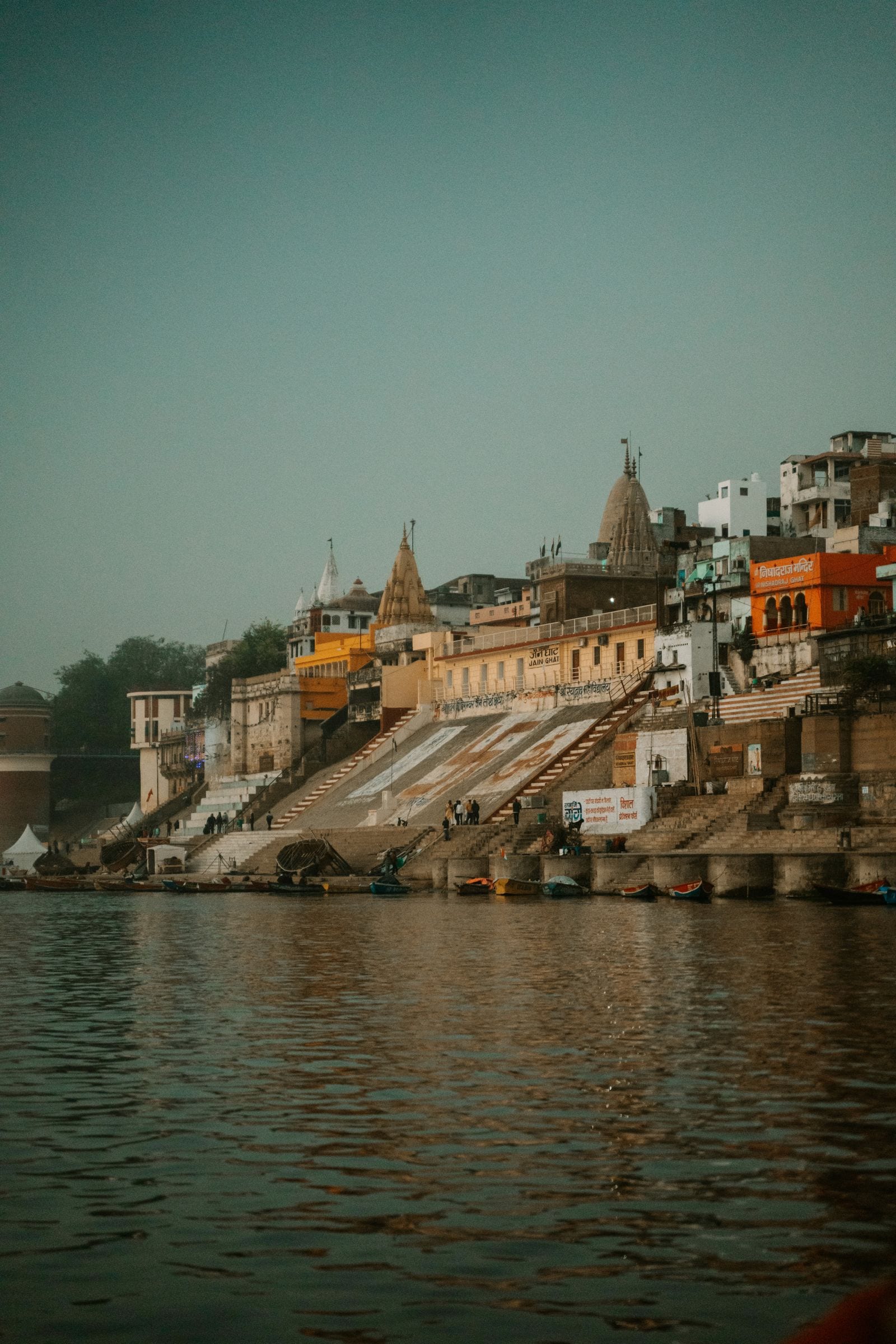
Make time for
- Ganga ghats
- Old-city lanes
- Temple areas under current access rules
- Sarnath on a separate outing
Understand the city’s riverfront identity
Varanasi, also known as Kashi or Banaras, is an important Hindu sacred city. Its ghats connect the Ganga with worship, ritual and daily life, while lanes lead back into shops, homes and temples. The place cannot be understood through a single ceremony or one riverside photograph.
Start with an unhurried walk in a permitted area. A local guide may help explain the relationship between neighbourhoods and ghats, but guiding terms should be agreed separately. Leave time to listen and observe instead of trying to turn every activity into a sightseeing event.
Approach ceremonies and funeral areas with care
The riverfront includes active religious spaces and places associated with mourning. Follow local instructions, keep a respectful distance and do not photograph private rituals or funerals without clear permission. Where photography is restricted, put the camera away rather than treating the restriction as optional.
Evening worship can draw large crowds, and no particular viewing position or duration should be promised. Agree a meeting place if your group separates. If stairs or crowded lanes are difficult for someone, investigate a manageable route before arrival and simplify the plan where needed.
Sources: [1]
Make Sarnath a distinct visit
Sarnath, near Varanasi, is associated with the Buddha’s first teaching after enlightenment. Its archaeological and museum context offers a different experience from the old city’s riverfront. Check the current visitor arrangements for the sites and museum rather than treating the area as one unrestricted open park.
A visit deserves its own time for interpretation and walking. Pair it with a Varanasi stay when the schedule allows, but avoid squeezing it between a late arrival and an evening departure. Museum and archaeological entry may follow different operating rules.
Plan the last part of each journey
An airport or station transfer, a ghat visit and a Sarnath excursion require different pickup details. Share your accommodation address and the actual sightseeing plan. Ask the owner where a vehicle can legally stop and how far your group will walk from that point.
Confirm waiting, parking and the return meeting place. Boat services, temple arrangements and monument admission are separate from a normal vehicle rental. Verify any river activity with an appropriate provider and current local guidance; a road quote does not establish safe or available boating.
Sources: [1]
Choosing when to visit
Cooler weather often suits long walks, but winter fog and seasonal river levels can change the experience. Check local river and visitor guidance rather than assuming boat services or ghat access operate unchanged.
Planning the transport
Choose an accessible road drop-off and a clear walking meeting point. A vehicle connects districts and Sarnath; the old city and many ghat approaches involve walking.
Common questions
- Can a car reach all of Varanasi’s ghats?
- No unrestricted approach should be assumed. Old-city lanes and ghat access often require walking; confirm a permitted road drop-off and meeting point.
- Is Sarnath the same as the old-city riverfront?
- No. It is a separate Buddhist heritage outing near Varanasi, with its own sites, visitor arrangements and travel leg.
- Is it appropriate to photograph all riverfront rituals?
- No. Respect restricted areas and people’s privacy, especially around worship and mourning. Ask permission where appropriate and follow local instructions.
Sources & further reading
Check the relevant official website for current visitor rules, permits and access. How we prepare our guides