
Make time for
- Har Ki Pauri
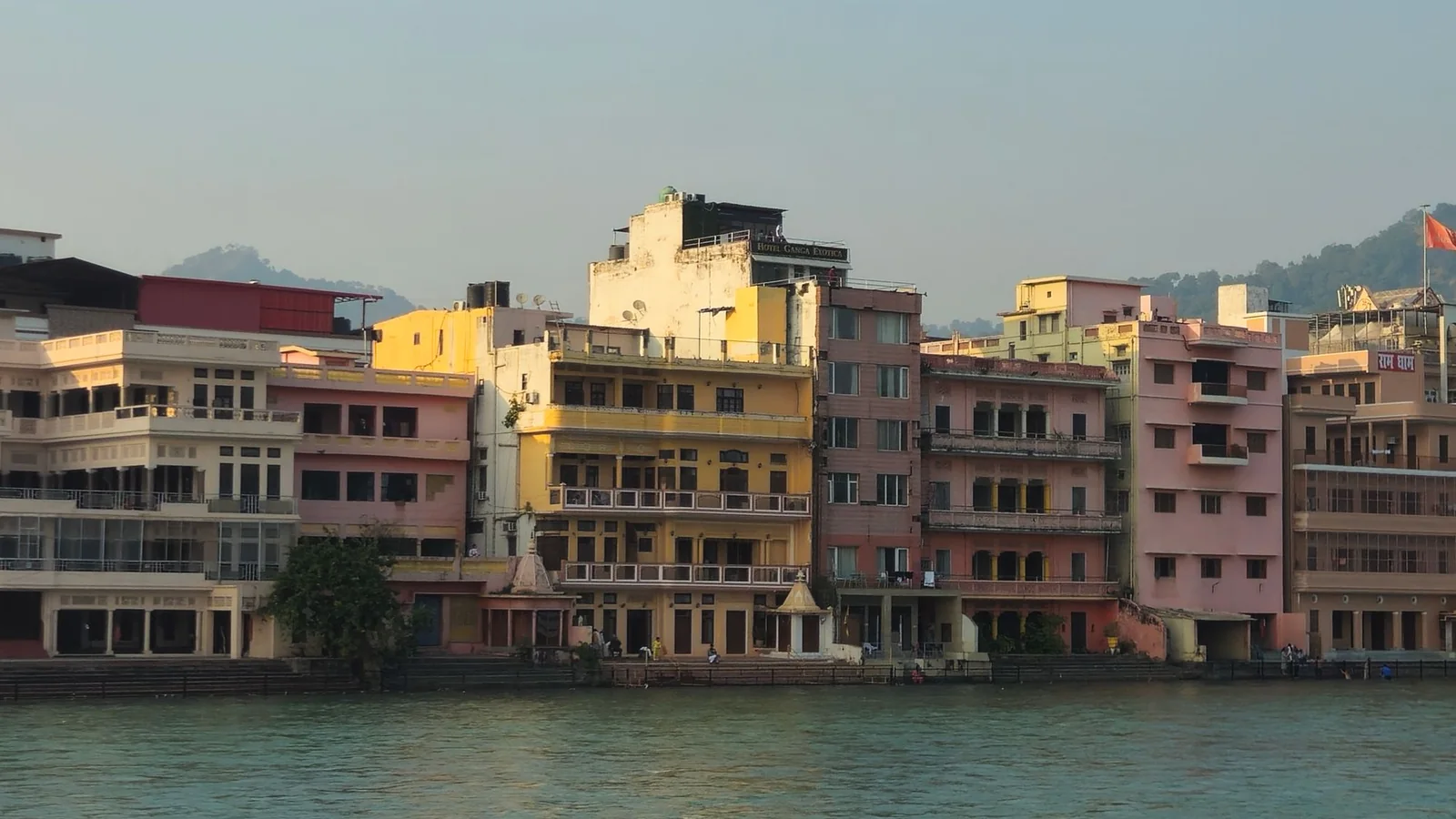
- Ganga riverfront
- Temple visits where accessible
- Local pilgrimage markets
Understand Haridwar as a living pilgrimage place
Haridwar’s importance comes from its relationship with the Ganga and longstanding pilgrimage traditions. Har Ki Pauri is its best-known riverfront setting, but worship and daily life extend beyond one ghat. The atmosphere is shaped by people arriving to pray, gather with family and move through the city.
Visit with attention to that purpose. A vehicle itinerary can help organize arrivals, but it should leave space for the time your group actually needs at the riverfront. The experience is more meaningful when the ghat is approached as a sacred place rather than a scheduled spectacle.
Make the riverfront visit considerate
Follow local instructions on where to stand, walk and approach the water. Keep entrances and public movement clear, especially during crowded periods. If your group includes children or people who need help with steps, identify a suitable meeting point and stay together in the busiest areas.
A ceremony’s visitor arrangements and crowd levels can change. Check current information rather than promising a particular view or exact duration. Do not infer safe river entry from the presence of other visitors; conditions and the permitted areas need to be assessed through official local guidance.
Sources: [1]
Choose temple visits realistically
Haridwar’s temple areas can add another dimension to a riverfront visit, but routes, steps and access options vary. Decide which visit matters to the group, then investigate its current approach and operation. Any ropeway or other visitor service should be checked independently of the road transport.
A shorter day with one temple and time by the ghats may suit a family better than an extensive list. Religious events can affect queues, road arrangements and opening access. Keep meals and rest in the same area when possible so the visit does not become a sequence of hurried transfers.
Give pilgrimage traffic room in the journey
Railway pickups, local sightseeing and onward journeys to Rishikesh create different transport needs. Share the exact arrival point, bags and intended visit sequence with the owner. Ask what happens if crowds or traffic restrictions require a changed stopping point.
Confirm the final pickup location after worship, waiting charges and the return plan. A driver cannot guarantee access beside a ghat during a busy period or provide ceremonial priority simply by accepting the itinerary. Admission, religious services and transport should be agreed with their respective providers.
Choosing when to visit
Religious occasions can bring large crowds and changed traffic arrangements. Check local advisories and weather near your dates. River conditions and access instructions should guide any visit to the water.
Planning the transport
Confirm an accessible meeting point away from restricted or crowded ghat approaches. State temple or riverfront stops separately from a station transfer or onward Rishikesh journey.
Common questions
- What is Har Ki Pauri?
- It is Haridwar’s best-known ghat area on the Ganga, associated with pilgrimage and worship. Follow local access instructions and allow time for the riverfront visit.
- Can a vehicle drop us directly at the ghat?
- Access depends on current traffic controls and the vehicle. Agree a permitted drop-off and the remaining walk rather than assuming doorstep access.
- Should I reserve a fixed short slot for evening worship?
- A flexible plan is more useful because crowds and movement vary. Check current visitor arrangements and avoid promises about a particular viewing position.
Sources & further reading
Check the relevant official website for current visitor rules, permits and access. How we prepare our guides