
Make time for
- Triveni Ghat
- Ashram neighbourhoods
- Riverfront walks where open
- Nearby foothill scenery
Begin with the Ganga and the town
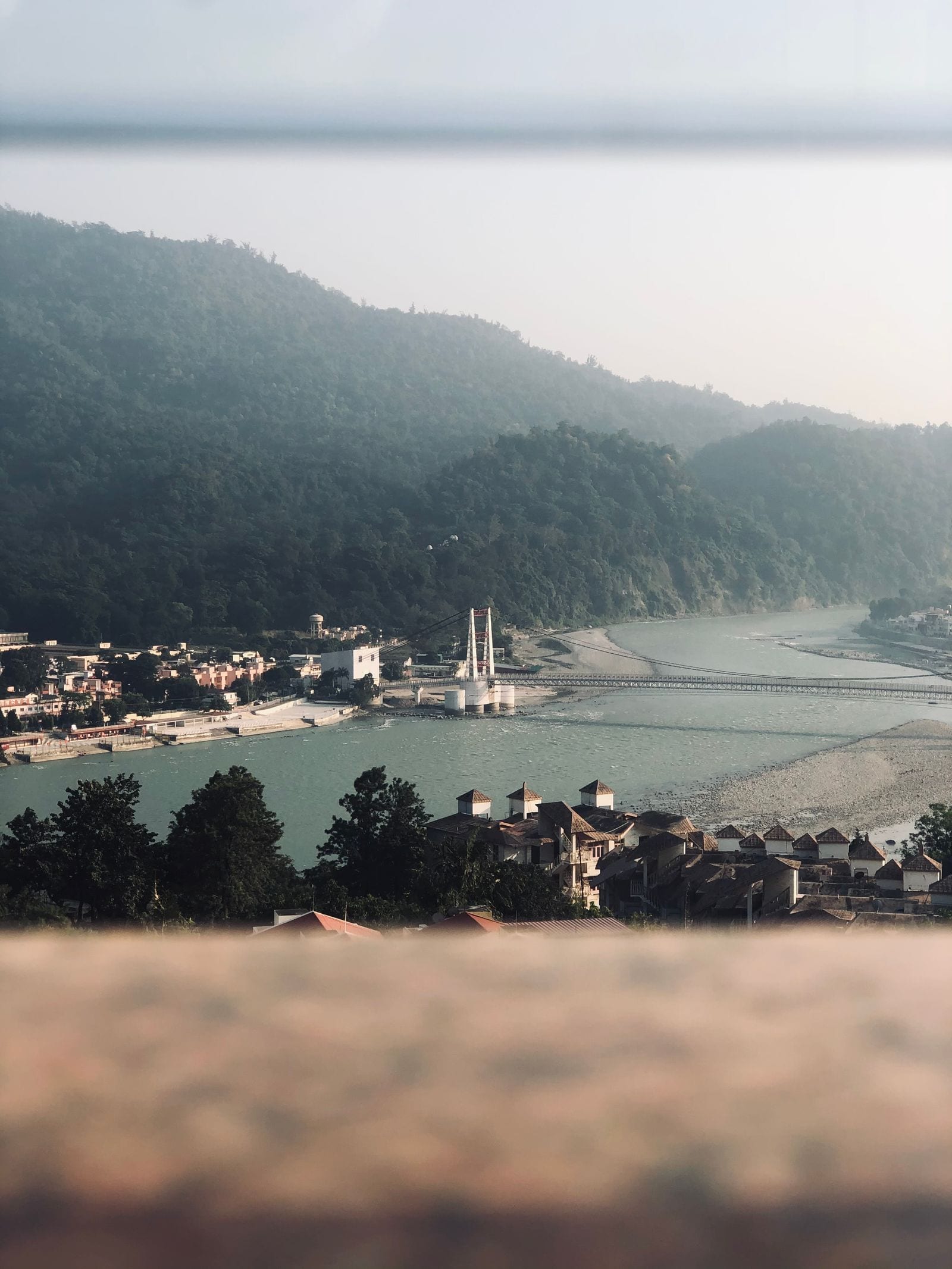
Rishikesh occupies a foothill setting where the Ganga gives the town a strong religious and landscape identity. Ashrams, temples and riverfront spaces are part of its character, alongside shops and places to stay. Visitors arrive for different reasons, so a worthwhile itinerary begins with the experience your group actually wants.
A reflective riverfront stay is different from an activity-focused weekend. Choose one as the centre of the plan, then add another experience if time allows. The town’s neighbourhoods and different approaches should not be reduced to a single riverside map pin.
Visit ghats and ashram areas respectfully
Triveni Ghat and the ashram neighbourhoods offer ways to encounter local religious life. Follow instructions during worship, dress appropriately and ask before photographing ceremonies or people. A place of devotion is not a reserved performance, and crowd levels or visitor routes can change.
Leave room for walking and a pause by the river where access is permitted. Check the current status of pedestrian bridges and approaches rather than assuming every crossing described in an older itinerary remains usable. If someone needs easier access, investigate the exact route before you arrive.
Arrange adventure services separately
Rafting and other outdoor services need a provider, an appropriate season and current operating permission. Verify the operator, instructions and suitability for the group. Heavy rain or changing river conditions can affect availability, and a road transfer to a meeting point does not establish that an activity is operating.
Keep a town-based alternative if your first choice cannot go ahead. Avoid treating the river as an informal swimming spot, and follow local safety directions. A reasonable plan leaves you able to enjoy Rishikesh without depending on a promised activity or one particular weather condition.
Sources: [1]
Keep arrival and local access clear
Haridwar, Dehradun and other gateways create different arrival routes. State the actual pickup point and accommodation address in your vehicle enquiry. If you want both Rishikesh and Haridwar sightseeing, specify the stop order and the time you hope to spend at each.
Confirm waiting, parking, bags and the return journey directly with the owner. Larger vehicles may have different practical stopping options near busy riverfront areas. Ashram access, activity fees and ceremonial arrangements remain separate unless explicitly included by the relevant provider.
Sources: [1]
Choosing when to visit
Weather and river conditions vary across the year. Check forecasts and official activity advisories, especially during heavy rain. Neither a river photograph nor a previous season establishes safe access for your dates.
Planning the transport
Name the hotel, riverfront area and any activity meeting point. Confirm permitted vehicle access and the last walk to a ghat, ashram or pedestrian crossing.
Common questions
- Is Rishikesh mainly a pilgrimage destination or an adventure destination?
- Both experiences exist, but they require different plans. Decide whether your stay centres on spiritual spaces, riverfront time or a separately arranged outdoor activity.
- Are all river crossings and rafting routes open throughout the year?
- No. Check the current status of bridges, approaches and authorized activities for your dates. Weather and river conditions may change access.
- Can Rishikesh and Haridwar be combined?
- They can be planned together, but each needs time and a specific route. Share both destinations and your intended visits when discussing transport.
Sources & further reading
Check the relevant official website for current visitor rules, permits and access. How we prepare our guides