
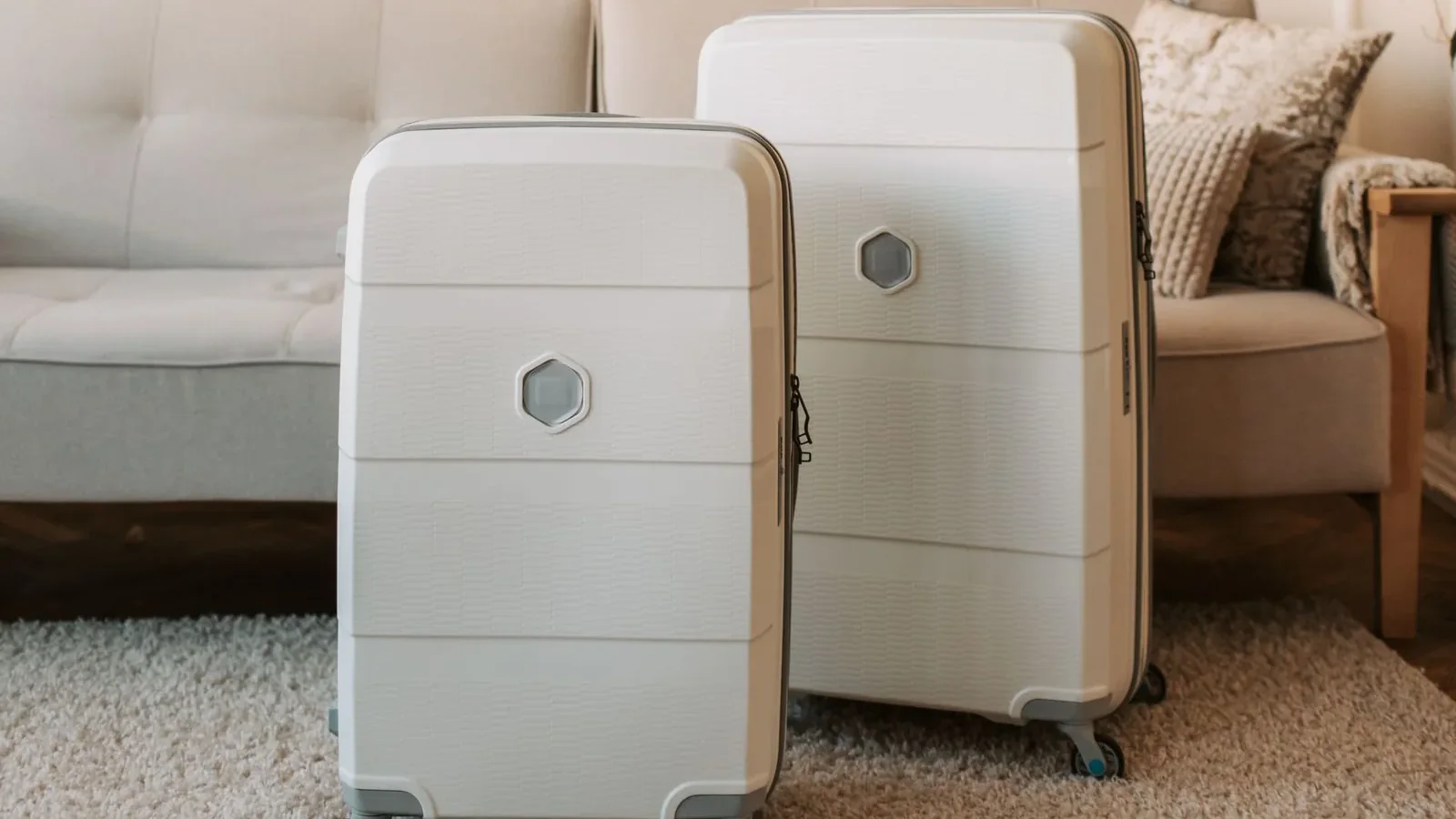
Describe the bags you will actually bring
The most useful question is specific: will these passengers and these bags fit with every required seat available? That gives the owner something concrete to check, instead of asking whether the car has a big boot.
Count large suitcases, cabin cases and soft bags separately. A group saying four bags might mean four backpacks or four rigid suitcases. Give approximate dimensions for bulky items and explain whether they fold. A photograph beside the measurements can help the owner understand the shape.
Include bags that tend to appear late in the plan: a laptop bag, shopping on the return journey, gifts for relatives or a cooler. You do not need a detailed inventory of personal belongings. You do need an honest picture of the space they take.
- Number of passengers using seats
- Number and approximate sizes of larger bags
- Pushchair, folded wheelchair or other bulky equipment
- Expected extra luggage on the return journey
Check storage with your seats in use
A photograph of an empty luggage area may have been taken with rear seats folded. Ask how much room remains in the layout you will use. For an MUV or SUV, the difference between an occupied and folded rear row can be important to your choice.
For a tempo traveller, ask where the group bags are stored and whether loading affects access to seats. Keep luggage out of the driver's view and away from aisles and exits. If a roof carrier is proposed, confirm that it is suitable for the vehicle and that bags can be secured and protected.
Keep the things you need within reach
Pack a small journey bag for items such as water, essential medicines, chargers and a change of clothes for a child. Keep it somewhere accessible without putting it under pedals or leaving it loose where it could obstruct the vehicle. You should not need to unload every suitcase for a short stop.
If someone needs mobility equipment at each stop, tell the owner. Its placement matters as much as whether it fits. Discuss who will help with loading where assistance is needed, rather than assuming that service is included.
Change the plan before pickup if space is tight
Ask whether a different vehicle layout would work, or whether the group can reasonably bring fewer bulky bags. Compare any revised quote before deciding. Leaving passenger seats unusable, blocking access or balancing heavy luggage around people is not a solution to an undersized vehicle.
When enquiring on Trip Talkiez, use the listed specifications and photographs to make a shortlist, then confirm bag space directly with the owner. If the owner offers a replacement vehicle, repeat the luggage check. A vehicle in the same broad category may have a different storage arrangement.
Common questions
- How many suitcases fit in a seven-seater?
- There is no reliable single answer for the whole category. It depends on the model, bag sizes and seats occupied. Ask about the exact configuration with your passengers on board.
- Should I send a photo of the luggage?
- A photo and approximate dimensions can help with unusually large items. Avoid including identity documents, luggage tags with personal details or other unnecessary private information.
- What if we will have more bags on the return trip?
- Include the likely return load in your first discussion. Confirm a suitable arrangement for both journeys, rather than depending on spare space appearing later.
Sources & further reading
This guide explains the platform’s enquiry model and the details to discuss with a partner.
Confirm availability, inclusions and the complete quote directly with the partner. How we prepare our guides