
Check the route for your travel dates
Start with the places you most want to visit and the time you have. Discuss the route with the owner before adding every nearby viewpoint to the itinerary. A day with room for breaks and changing conditions is easier to manage than a list that depends on everything going exactly to time.
Share your pickup location, destination, overnight stops and sightseeing ideas. Ask the owner which parts of the itinerary they can provide and what needs checking closer to departure. A vehicle suitable for reaching the town may not be able or permitted to reach every nearby attraction.
Road access, weather and local restrictions can change. Consult current notices from the relevant local authorities, road agencies and official tourism sources, and reconfirm the route with the owner. Avoid treating a travel time from an old article as a promise for your own journey.
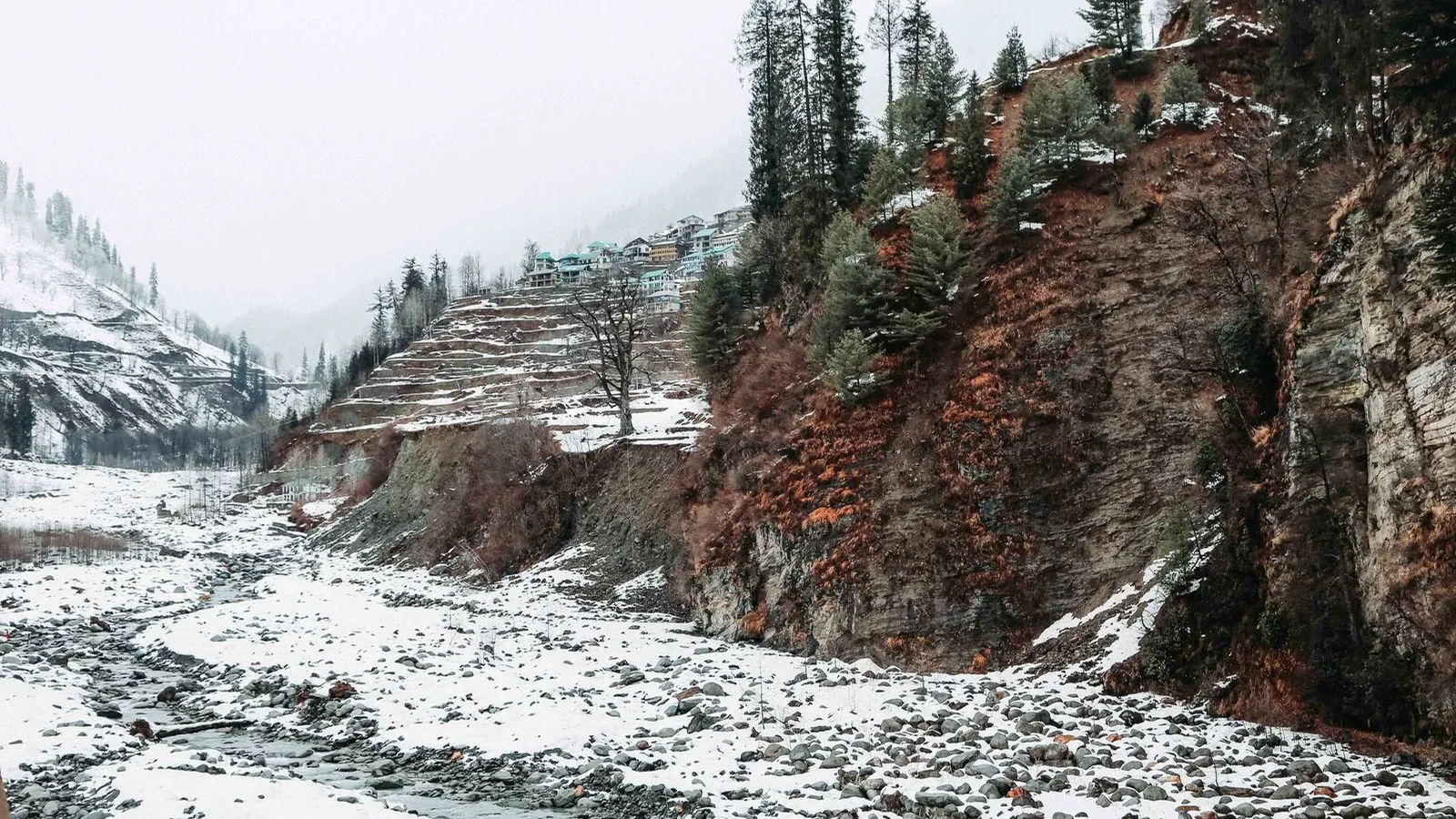
For a Himachal itinerary, use official tourism information for place context and current state or district notices for changing conditions. Reaching Manali does not establish access to every high-altitude excursion nearby. Keep any snow viewpoint as a request to check, rather than a promised stop; road closures and permission requirements need confirmation for your own dates.
Choose the actual vehicle, not a reassuring label
Discuss your group size, bags and planned roads with the owner. An SUV badge alone does not establish suitability, vehicle condition or permission for a route. Ask about the specific vehicle, driver arrangements and the documents and permissions needed for the intended journey.
Check boarding and seat comfort, particularly for people who find high steps difficult. Confirm luggage space without sacrificing passenger seats. For a larger group, ask whether the proposed vehicle can reach the accommodation or whether a different final pickup point would need to be arranged.
Allow time for stops and changes of pace
Discuss a sensible driving schedule and rest breaks with the owner. Tell them if anyone is concerned about winding roads or needs frequent stops. Plan meals and toilets as part of the journey, rather than assuming that the group can travel continuously to save time.
Keep the first day manageable after a long train or flight connection. If your accommodation has a check-in cutoff or a specific approach road, share that information. Avoid pressuring a driver to make up time by rushing after a delayed departure.
- Actual route and travel dates
- Current access information and local restrictions
- Vehicle, passenger seats and luggage arrangements
- Breaks, overnight stops and an alternative if plans change
Agree what happens if the itinerary changes
Ask how a changed road, missed sightseeing stop or additional night would affect availability and the quote. Confirm cancellation and refund terms before paying. A written agreement gives you something clear to discuss if the original plan cannot be followed.
Use Trip Talkiez to compare vehicles from your pickup location, then share the hill itinerary with the relevant owner. Destination photographs offer inspiration; they do not establish road access or a vehicle's availability. Confirm the practical arrangements and check changing travel information again close to departure.
Common questions
- Can any SUV be used for a hill station trip?
- Do not decide from the category alone. The actual route, conditions, vehicle, permissions and owner arrangements matter. Confirm suitability for the specific journey and travel dates.
- Should we include every sightseeing spot in the first quote?
- Share the places you hope to visit, but distinguish priorities from optional stops. Ask the owner to confirm feasible arrangements and how additions or changes would be charged.
- What if a road closes before departure?
- Check official local updates and speak with the owner about alternatives. Apply the cancellation, route-change and additional-cost terms you agreed, rather than assuming an alternative is automatically included.
Sources & further reading
- Kullu District — official tourist places
- Kullu District — disaster management information and resources
Check the relevant official website for current visitor rules, permits and access. How we prepare our guides